
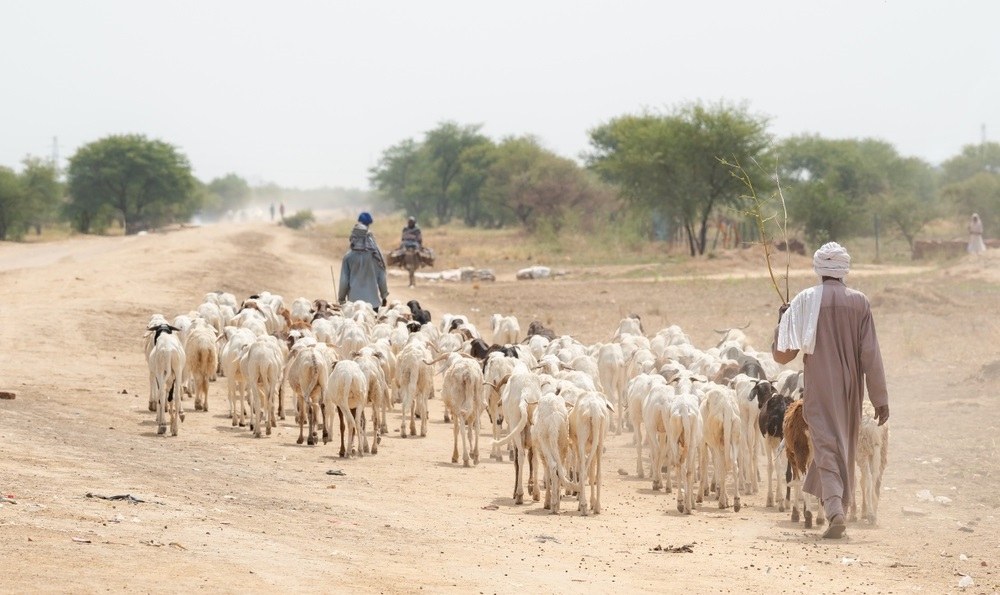
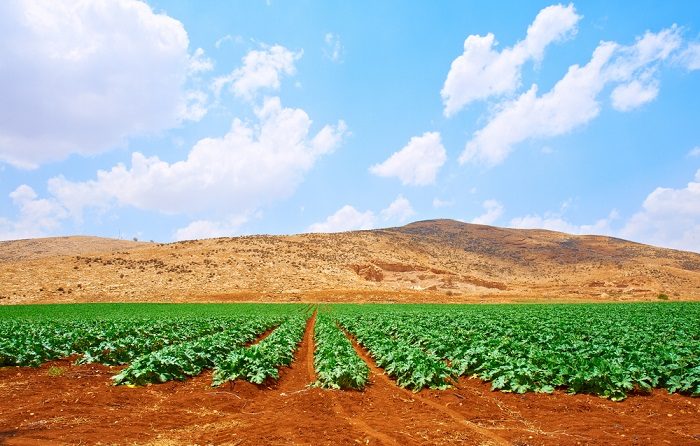
Pastoralists in the Mandera Triangle are on the front line of climate change. We help communities build resilience on the rangelands they depend on.
Human activity, including agriculture, contributes to climate change. Livestock production alone produces about 14% of greenhouse gas emissions. To reduce climate impacts, VOPA supports both adaptation and mitigation measures.
Mitigation
The most important mitigating action is reducing the greenhouse gases released by activities on rangelands. Managing livestock for efficiency and performance reduces methane from enteric fermentation, while rangeland soils and vegetation — large stores of carbon — can be managed to increase uptake.
Adaptation
Managing rangelands successfully in a changing environment depends on maintaining and enhancing ecosystem resilience — how well land recovers after drought, overgrazing or other stress. VOPA disseminates rangeland management technologies that build this resilience.
Clean and sustainable energy
Most households across the rangelands cook with firewood or charcoal, and trees are being over-harvested to meet demand. We support alternatives — small-scale biogas plants for household cooking and heating, and wider use of gas and solar energy — with benefits for both the environment and family health.
Key initiatives
- Rangeland reseeding and fodder production
- Water harvesting
- Livelihood diversification
- Livestock breeding
- Human and animal health management
- Clean energy: biogas, gas and solar alternatives to charcoal