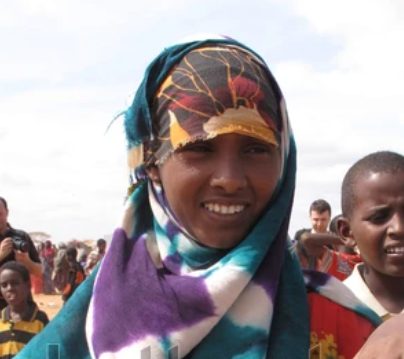
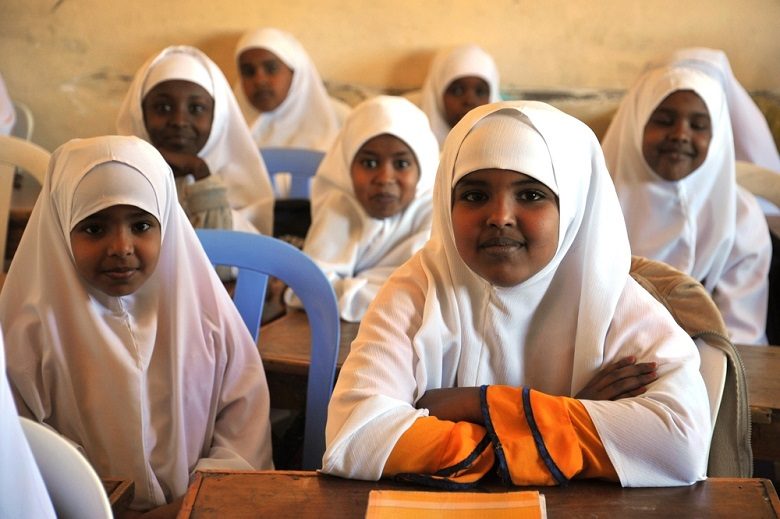
When a girl stays in school, her whole community benefits. Yet in northern Kenya, too many girls are still kept at home. Here is how that is changing.
Ask any development expert to name the single most powerful investment a community can make, and many will give the same answer: educate girls. Educated women tend to marry later, have healthier children, earn more and invest that income in their families. Yet in Mandera County and across the pastoralist north of Kenya, girl child education still lags far behind.
The barriers girls face
The reasons girls miss out on school are rarely about a lack of ambition. They are about circumstances and expectations:
- Household labour. In rural areas, girls herd livestock, fetch water and care for younger siblings.
- Domestic work in towns. Many young girls work as house helps instead of attending class.
- Early marriage. Some girls are married in their teens because local custom allows it, ending their education.
- Distance and mobility. Pastoralist families move with their herds, and schools can be far apart.
- Beliefs about the value of educating girls. Some families still see schooling as less important for daughters than for sons.
What the law says
Kenya's Constitution guarantees every child the right to free and compulsory basic education, and the Children Act protects children from harmful practices including child marriage. The challenge is not the absence of laws but their enforcement — and community awareness of them.
How VOPA is advocating for girls
Our human rights advocacy focuses on changing attitudes at community level while pushing for laws to be enforced:
- Community conversations with parents, elders and religious leaders about the value of educating daughters — including the many Islamic teachings that emphasise seeking knowledge.
- Identifying girls at risk of dropping out, together with teachers and school boards.
- Role models. Women from the community who completed school — teachers, nurses, officials — share their journeys.
- Advocacy with authorities to ensure child protection and education laws are applied.
"VOPA's advocacy for girl child education has helped many girls in our community to enrol in school and pursue their dreams." — Yusuf Abdi, community elder
The ripple effect
Education is linked to almost every other goal VOPA works towards. Educated girls are better able to resist harmful practices such as female genital mutilation. They become women who can access finance and run businesses. They raise children who are healthier and more likely to go to school themselves. In a region facing climate change and conflict, they also become leaders who can help their communities adapt.
What you can do
Keeping a girl in school can cost as little as uniforms, sanitary pads and learning materials — and as much as changing the mind of a whole village. If you would like to support girl child education in the Horn of Africa, find out how to get involved or read more about our Human Rights Advocacy work.

VOPA builds peace, resilience and dignity with communities in Kenya, Somalia and Ethiopia. About us